Compare Local Contractors for House Trim Installation Success
Compare local contractors for house trim installation to clarify project scope, verify experience, and establish clear expectations for a successful upgrade.
House trim installation typically involves adding or replacing decorative and functional elements around windows, doors, ceilings, and along walls. This work can include installing crown molding, baseboards, chair rails, window casings, door casings, and other decorative moldings that enhance the interior or exterior appearance of a property. Properly installed trim can improve the aesthetic appeal, protect structural elements, and contribute to the overall style of a home. Contractors specializing in this work often have experience working with different materials such as wood, MDF, or composite, and they understand how to achieve clean, precise finishes that align with the homeowner’s design preferences.
Defining the scope of house trim installation is a crucial step in ensuring the project meets expectations. Clear communication about the specific types of trim, the locations where they will be installed, and the desired style or finish helps prevent misunderstandings and scope creep. A well-defined scope allows property owners to evaluate proposals consistently and ensures that contractors understand the full extent of the work involved. It also provides a foundation for documenting project details in writing, which can be useful for referencing agreements and ensuring accountability throughout the process.
Property owners can compare local contractors by examining their experience with similar projects, reviewing their portfolios or references, and understanding their approach to scope definition and project management. It’s important to ask about how they handle material selection, preparation, and finishing techniques. Verifying that contractors have a thorough understanding of the work and can provide detailed written descriptions of the scope helps ensure alignment. Comparing how each service provider communicates, their level of professionalism, and their ability to clearly outline project expectations can assist property owners in selecting a trusted partner for house trim installation.
Compare local contractors by outlining your project priorities, verifying experience, and setting clear expectations in writing.
- Compare Contractor Experience - review the background and past projects of service providers to ensure relevant expertise.
- Define Scope Clearly - outline specific trim installation requirements to set accurate expectations.
- Verify References and Credentials - check references and confirm service providers’ experience with similar jobs.
- Document Agreements in Writing - establish scope, materials, and responsibilities to prevent misunderstandings.

Clearly describe your house trim installation project to effectively compare local contractors, verify experience, and set expectations in writing.
- Verify the contractor’s experience with house trim installation to ensure familiarity with the specific materials and techniques involved. - Look for clarity in the scope of work and detailed project descriptions to prevent misunderstandings.
- Ensure that the contractor provides a written contract outlining the scope, materials, and project expectations for transparency. - Confirm that the service provider has a clear process for handling revisions or changes during the project.
- Assess the contractor’s reputation by reviewing references or testimonials from previous clients about their house trim work. - Check that the contractor is experienced with the type of trim and style desired for the project.
- Discuss the installation process and quality standards to ensure alignment on craftsmanship and finishing details. - Make sure the contractor uses appropriate tools and techniques for a precise and durable installation.
- Compare multiple local contractors to evaluate their communication, professionalism, and clarity in defining project scope. - Prioritize service providers who are transparent and thorough in their project planning and expectations.
Compare local contractors’ experience and clarify scope to ensure smooth house trim installation projects.


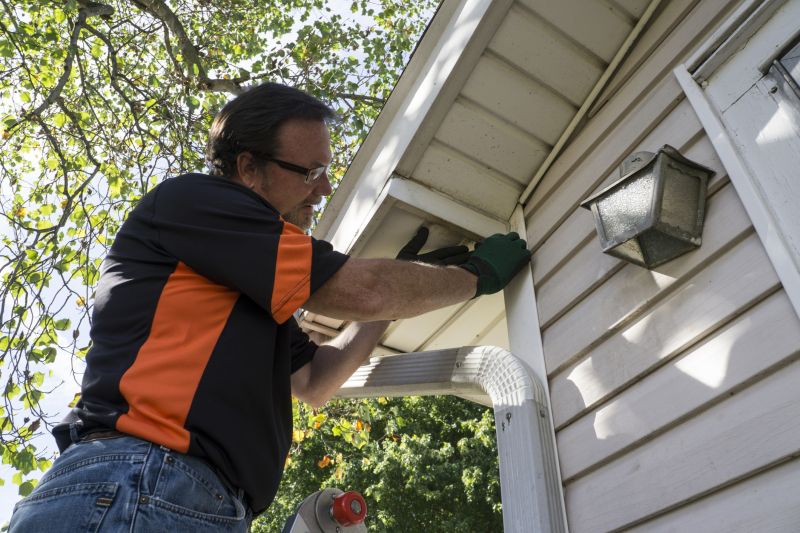

Use consistent scope descriptions and clear expectations to effectively compare local contractors for house trim installation.
- Define scope of trim installation - specify the types and areas of house trim to be installed or replaced.
- Verify experience of service providers - ensure contractors have relevant experience with house trim projects.
- Assess material options and quality - determine the preferred trim materials and establish quality expectations.
- Establish project details in writing - document scope, materials, and standards clearly in a contract or agreement.
- Compare local contractors’ credentials and reviews - review references, past work, and reputation to select suitable service providers.
When comparing contractors for house trim installation, it is important to evaluate their experience with similar projects. Homeowners should inquire about the types of trim work the contractors have completed and seek details about the scope and complexity of those projects. Contractors with a history of handling comparable installations are more likely to understand the specific requirements and challenges involved, which can contribute to a smoother process and a more satisfactory outcome. Gathering information about their previous work can help determine if they have the relevant background to meet the project's needs.
A clear, written scope of work is essential for setting expectations and ensuring that both parties are aligned on the project details. Homeowners should work with potential service providers to develop a comprehensive description of the work, including the materials to be used, the specific areas to be trimmed, and any additional tasks involved. Having this documentation helps prevent misunderstandings and provides a reference point throughout the project. It also enables homeowners to compare different contractors based on the thoroughness and clarity of their proposed scope.
Verifying a contractor’s basics involves confirming their ability to deliver the project as described, which includes checking their references or reviews from previous clients. Homeowners should ask service providers for examples of completed projects similar in scope and seek feedback on the quality of work and professionalism. Additionally, confirming that the contractor understands the project requirements and can articulate their approach can be a useful indicator of their competence. This verification process helps ensure that the selected contractor has the appropriate experience and can meet the expectations set out in the scope.
When evaluating options, it is helpful to compare how each contractor plans to approach the work and their level of detail in the scope. Homeowners should ask prospective service providers to explain their process, including how they intend to handle preparation, installation, and finishing touches. It is also beneficial to review any written proposals or estimates for completeness and clarity. By focusing on the contractor’s experience, communication, and the quality of their proposed scope, homeowners can make informed decisions without relying on price alone. This approach helps identify service providers who are capable of delivering reliable, high-quality trim installation.
Ask contractors to provide written scope details to ensure clear expectations and consistent project outcomes.
- Scope Clarification - What specific trim installation services are included and what materials will be used?
- Experience Verification - How many similar projects have the local contractors completed, and can they provide references?
- Comparison of Services - What differences exist between contractors' approaches to trim installation and scope coverage?
- Work Scope Definition - How will the scope of work be documented to ensure clear expectations before beginning?
- Project Expectations - What steps do the service providers take to ensure the work meets agreed-upon standards and specifications?
What should I consider when choosing a contractor for house trim installation? It's important to compare local contractors based on their experience, reputation, and the scope of services they offer to ensure they can meet your project needs effectively.
How can I verify a contractor's experience with house trim installation? You can review their portfolio, ask for references, or check their previous work to assess their familiarity and skill with similar projects.
What details should be included in a written scope of work? A comprehensive scope should specify the types of trim to be installed, the materials used, the areas involved, and any specific finishing or design preferences.
Why is it important to have a clear agreement with a contractor? A written agreement helps set expectations, defines project responsibilities, and provides a reference to avoid misunderstandings during the work process.
How can I compare different contractors for house trim installation? Consider their experience, the clarity of their proposals, the scope of work they include, and their reputation within the local community.
What questions should I ask a contractor before hiring for trim installation? Inquire about their previous experience, the materials they recommend, how they handle project details, and how they communicate throughout the process.
By exploring options for house trim installation, visitors can gain a clearer understanding of how to identify experienced local contractors, define the scope of work, and ensure expectations are documented in writing. Comparing multiple service providers helps to find the best match for specific project needs and preferences, making the process more straightforward and transparent.
Utilizing the quote form allows for easy comparison of available local contractors who specialize in house trim installation. This approach supports informed decision-making by connecting with service providers who can handle the job, enabling homeowners to choose the right contractor based on their project requirements.